Inclusive Public Space
Who can use public space without extra effort?
In 2026, I was appointed Hoogleraar Inclusieve Openbare Ruimte / Professor of Inclusive Public Space at TU Delft. The Soroptimist Vrouwenfonds made this special chair possible.
Every day, public space shows who feels welcome and safe, who can use a place and make it their own, and who cannot. Planning and design shape much of this. They can anchor recognition, participation, accessibility and safety in space. They can also undermine them.
Deze pagina in het Nederlands: Inclusieve openbare ruimte
Why this chair
1 in 3
women in the EU has experienced physical or sexual violence, or threats, in adulthood.
FRA, EIGE and Eurostat, 2024
45%
of women aged 15 to 25 in the Netherlands sometimes take a detour to avoid places in their neighbourhood that they find unsafe. Among young men, the figure is 21.5 percent.
CBS, 2025
The numbers are well known. Policy often answers with more cameras, more police and more surveillance. That gives some groups the appearance of safety. It pushes others, such as sex workers, undocumented people and racialised groups, further to the margins.
My chair looks beyond this reflex and highlights the work people do every day just to be in public.
Appropriation work
Public space is just when everyone can use it, stay in it and shape it as their own, without the extra work that others are spared.
I call that extra work appropriation work. I use ‘appropriation’ in Henri Lefebvre’s sense: the right to use, inhabit and shape space.
Safety work is the best-known form of appropriation work. Liz Kelly and Fiona Vera-Gray describe the constant, often unconscious effort women make to stay safe: choosing another route, holding keys between their fingers, staying alert, adjusting. It costs time and attention, and it limits bodily freedom. For racialised people, queer people, people with disabilities and people without papers, the work piles up. They also often try to manage how others perceive them.
Safety work is only one form of appropriation work I will study. People also do the work of caring, of proving that they belong, of finding their way and of taking part. Most of this work stays invisible to the institutions that benefit from it. Crime figures do not show it, and neither do most planning tools.
Work ahead
Conceptual development
I develop the concept of ‘appropriation work’, building on feminist and intersectional theory and on my work on spatial justice.
An index for ‘appropriation work’
The chair aims to develop a wider Appropriation Work Index. It measures how much effort people make to feel at home in public space, appropriate it, and feel safe. Together with residents, we will better understand how people experience, avoid, and claim public space.
The role of design
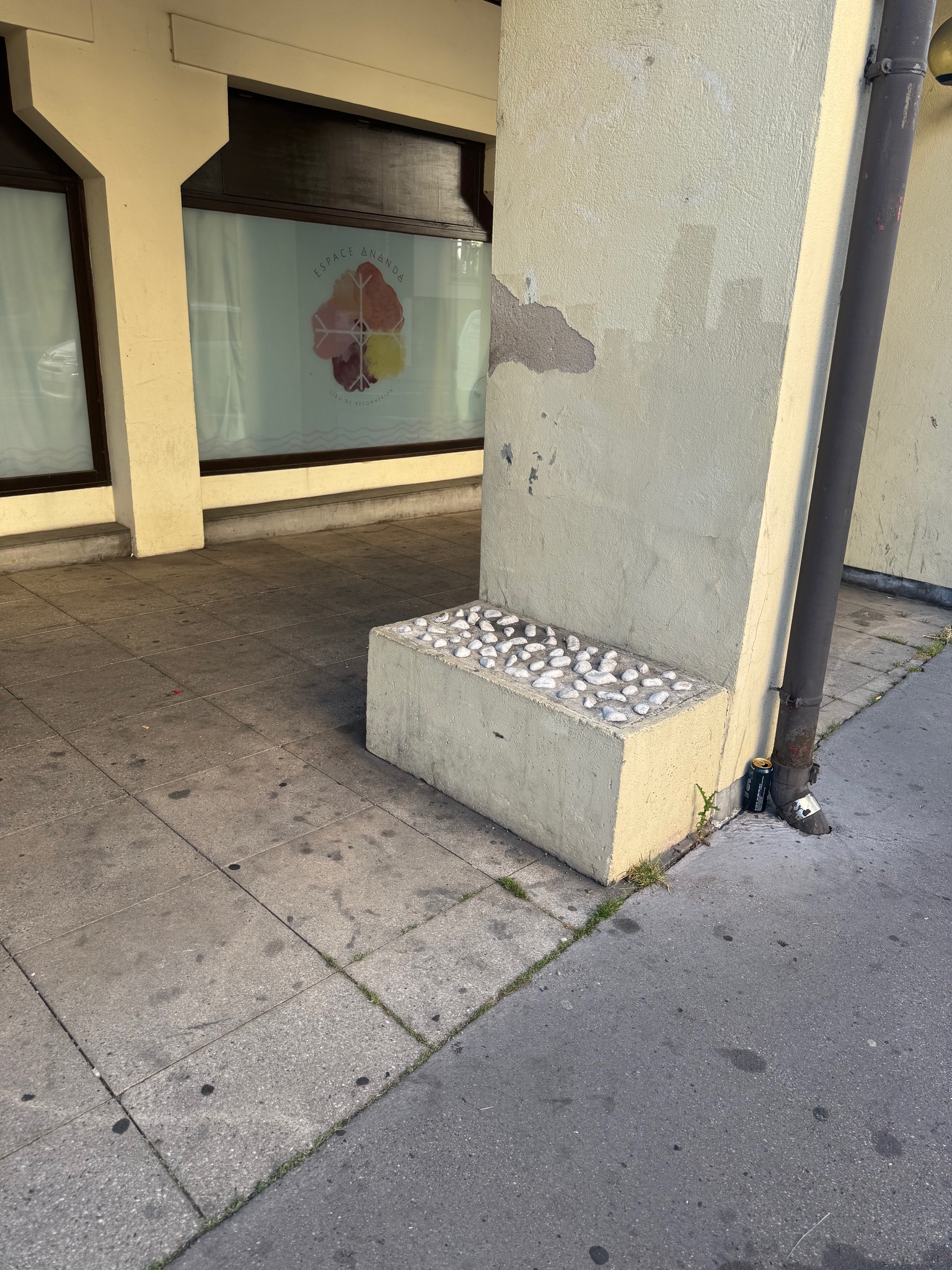
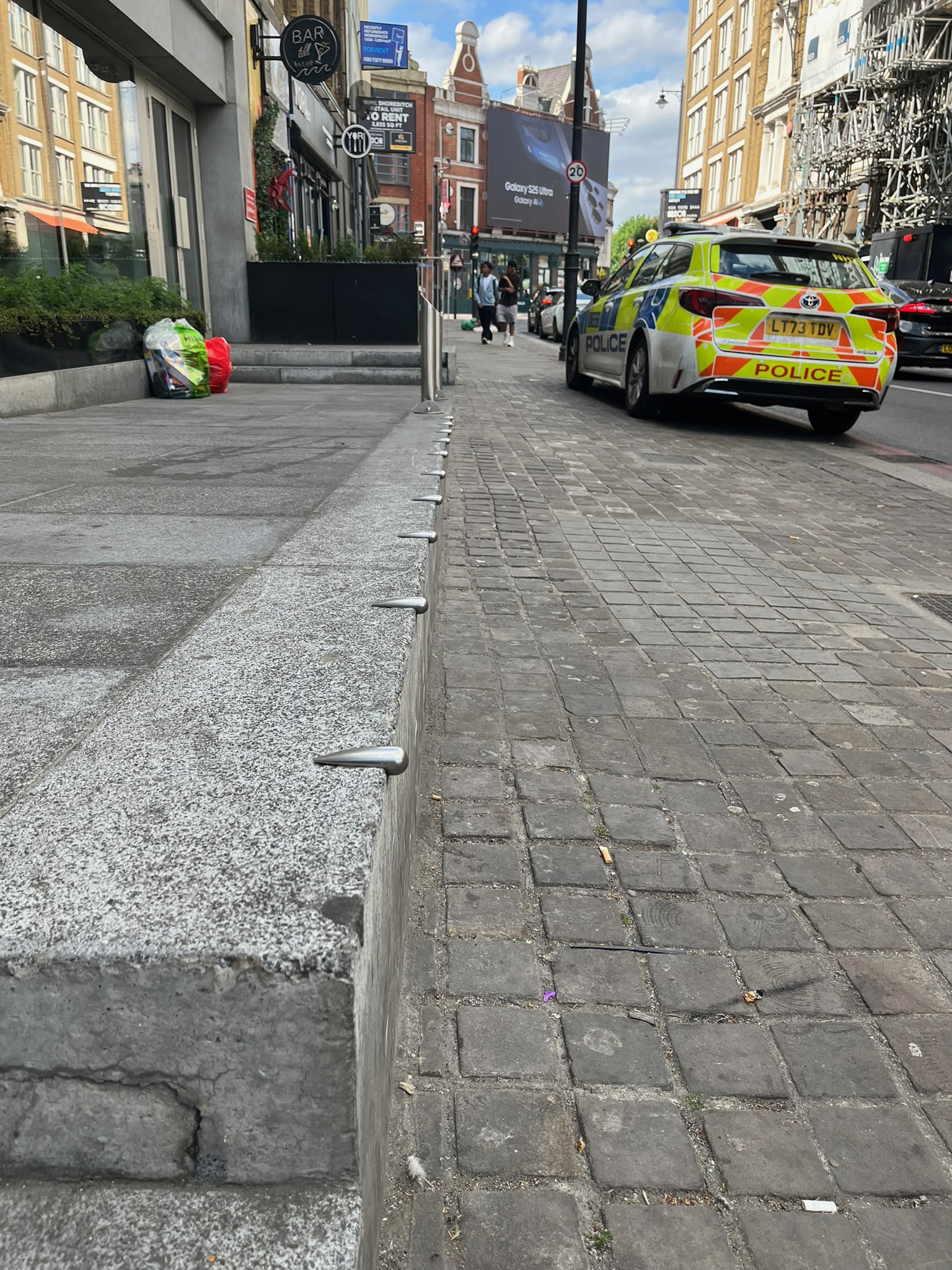
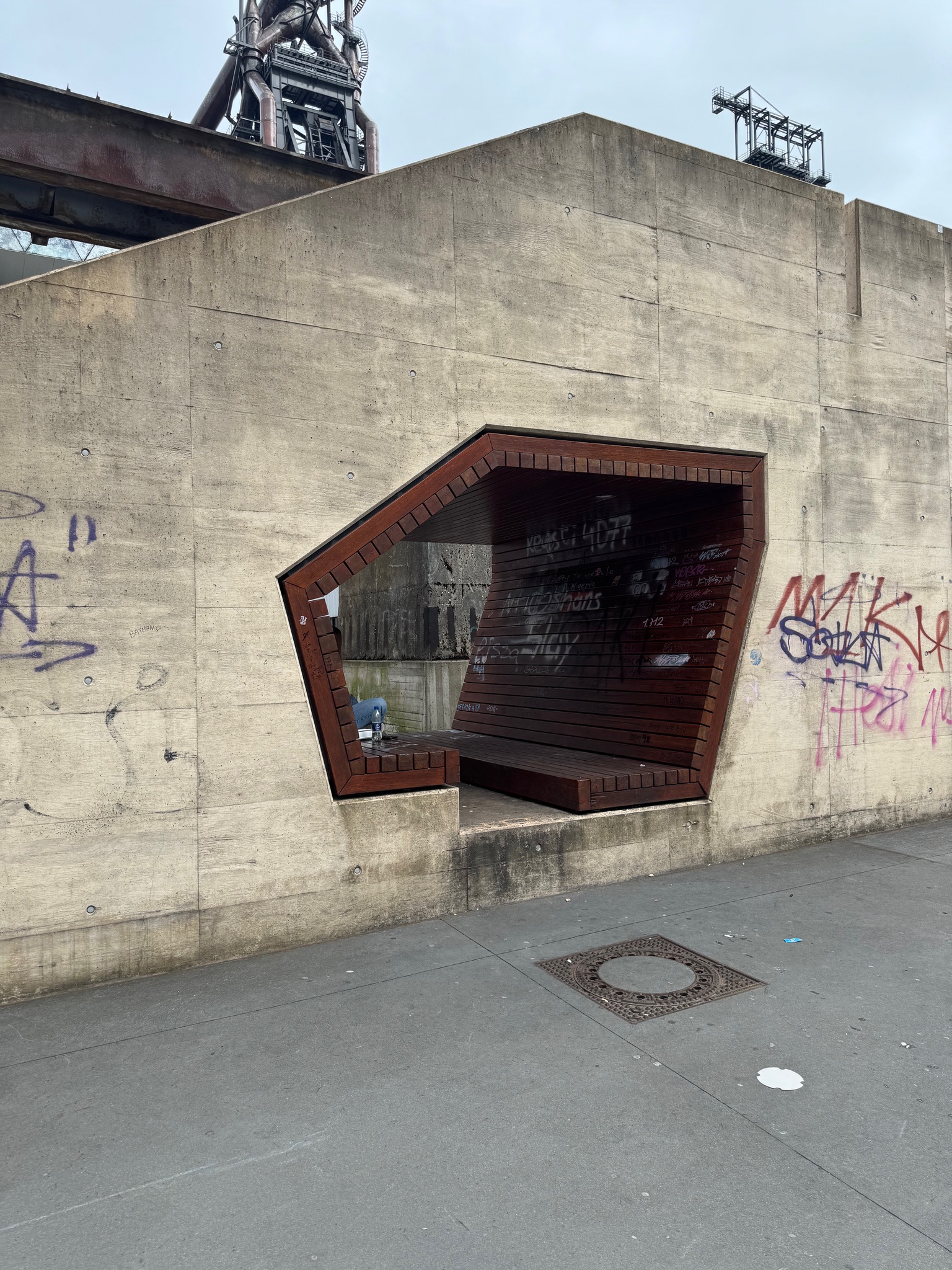
A ledge covered in pebbles. Studs on a low wall. A wooden bench set into a niche. Small design choices decide who can rest, linger or play, and who is moved on.
Teaching and practice
With Irene Luque Martin and Roberto Rocco, I mentor the Designing by Feminist Values graduation cluster in the MSc Urbanism. Shared values such as care, reciprocity, self-determination and justice hold the cluster together. Each student writes their own thesis, and the group learns together. Students draw on feminist, decolonial and anti-capitalist theory and work with counter-mapping, embodied research and speculative design. Graduation projects address, for example, how to reshape heteronormative public space, rethink care and imagine spatial equity.
Working with Soroptimist clubs, municipalities and communities
Through the chair, I can stay in touch with more than 3,000 Soroptimists in the Netherlands, women with very different professional backgrounds. Local clubs have direct lines to their municipal councils. Together, we can bring the work to the people who decide on squares, parks and stations.
Are you part of a Soroptimist club, a municipality or a community organisation, and would you like to take part? I would love to hear from you.
Hoogleraar Inclusieve Openbare Ruimte
Professor of Inclusive Public Space, TU Delft

