
Research
Hope, imagination and justice
My research asks how planning and design can make cities more just. I understand spatial justice in three ways: a fair distribution of benefits and burdens, decision-making that includes the people affected, and recognition of the many identities and histories that make up a city.
Planning and design are value-based, action-oriented practices that translate justice claims into tangible spatial change by coupling a normative horizon with situated design methods.
Across overlapping global challenges, ranging from the climate emergency and deepening socio-economic disparities to geopolitical conflict, wars and the resurgence of authoritarian politics, the built environment has become a central terrain of both struggle and possibility. Urban spaces are not merely the background against which injustice unfolds; they actively mediate relations of power and exclusion, as well as those of care and collective life.
My academic trajectory is shaped by this understanding and by a sustained engagement with the tension between oppression and possibility that characterises contemporary urbanisation. Whether by advocating for participatory upgrading in marginalised neighbourhoods (see e.g. Newton, 2008a, 2013; Boano et al., 2013), applying feminist and intersectional frameworks to spatial design (see e.g. Newton, 2008b, 2012, 2025b), or interrogating how (collective) imagination and speculative design can prefigure and materialise just futures (see e.g. Newton, 2009, 2023, 2025a), my work has advanced a consistent proposition: justice cannot be pursued without attending to both hope and design practice; for it is their interdependence (hope as the vision and design as the means) that transforms aspiration into tangible change.
Grassroots praxis
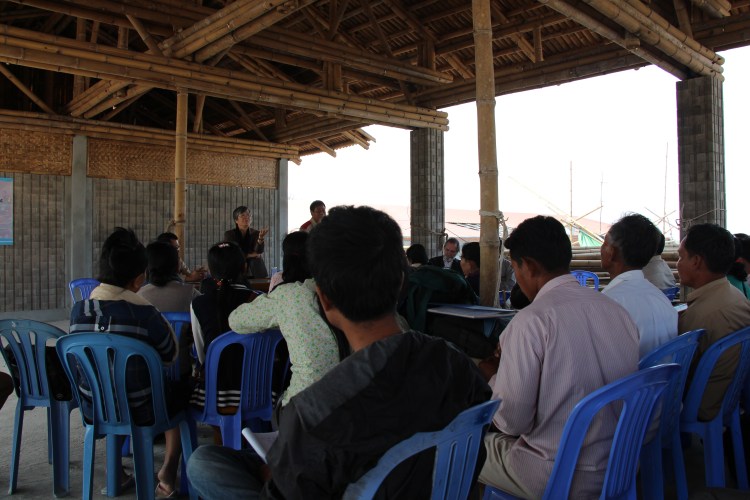
Here we try to understand collective action for urban justice. How do grassroots initiatives use storytelling, symbolic occupation, temporary interventions and prefigurative experiments to change how streets, squares, campuses and neighbourhood spaces are used and governed. Students of #RhodesMustFall in South Africa reimagined the university as a decolonised space. Women of the Boeung Kak Lake community in Phnom Penh used creative protest to resist eviction.
Women’s right to the city
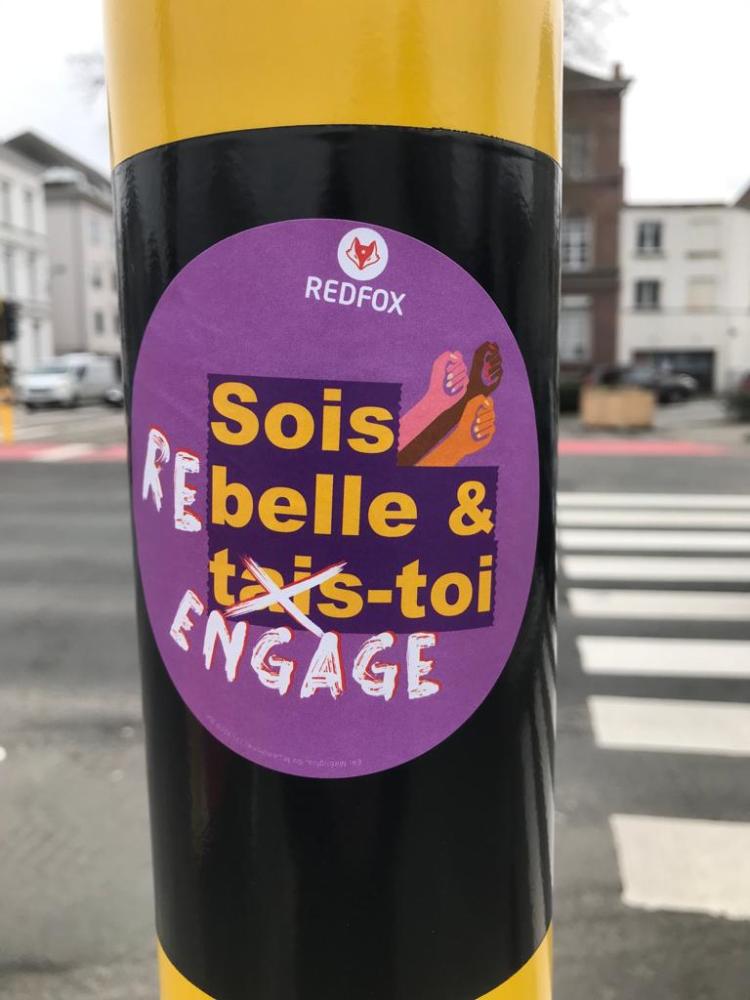
A feminist lens has shaped my work from the start, from my doctoral research on women-led housing in Cape Town to the graduation projects I supervise today. I work on women’s right to the city, and on the return of misogyny as a political project with spatial effects. Harassment, intimidation and exclusionary design restrict the presence, mobility and political voice of women and LGBTQIA+ people. This has a chilling effect on political participation.
My chair in Inclusive Public Space is a concrete project
Projects
Current and recent projects
Inclusive Public Space
Soroptimist chair at TU Delft, since 2026
My role: professor
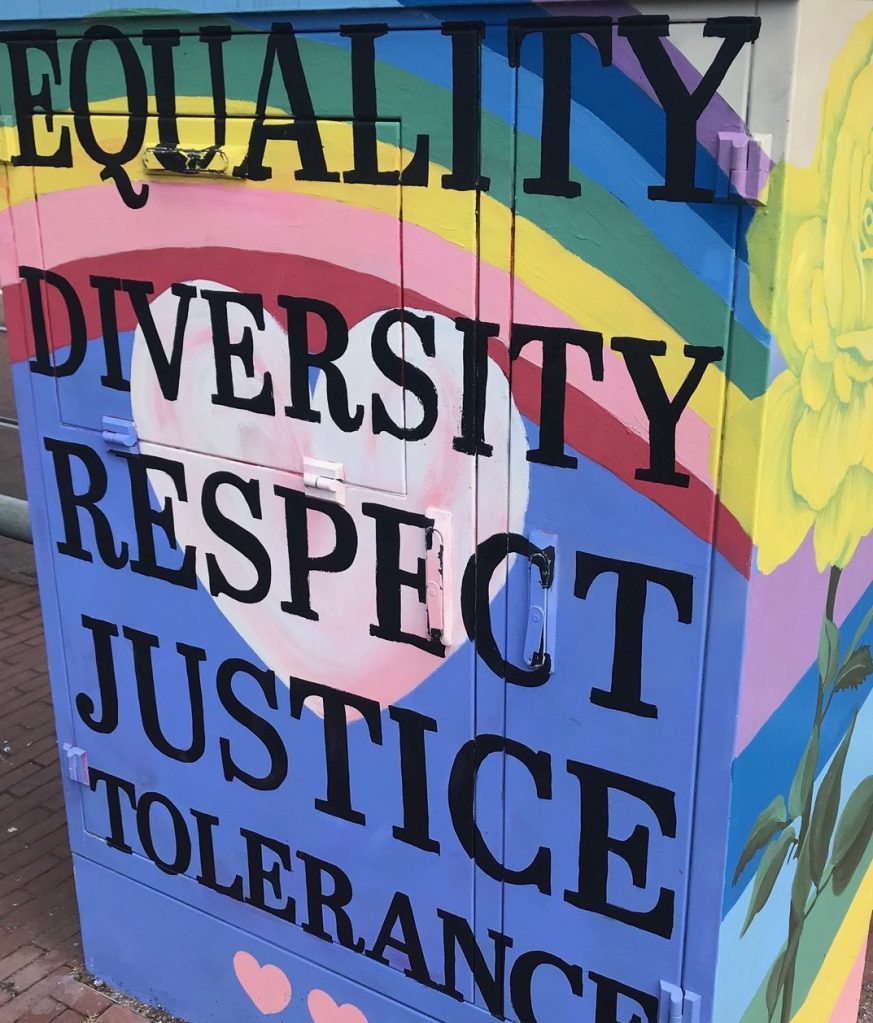
Who can use public space without extra effort? I study the extra work that women and many others do every day to use, stay in and shape public space, and I look for ways to recognise that work and reduce it.
RURALITIC
Rural Revival: A Life in the Inspirational Countryside
Horizon Europe, 2025–2028
My role: leader of WP8
How are Europe’s rural areas changing, and how do people imagine their future there? Sixteen partners from ten countries, coordinated by INRAE in France, explore these questions. I lead WP8, Future Perceptions and Sustainable Prospects. My colleague Rodrigo Viseu Cardoso leads WP3, which develops a new typology of rural territories.
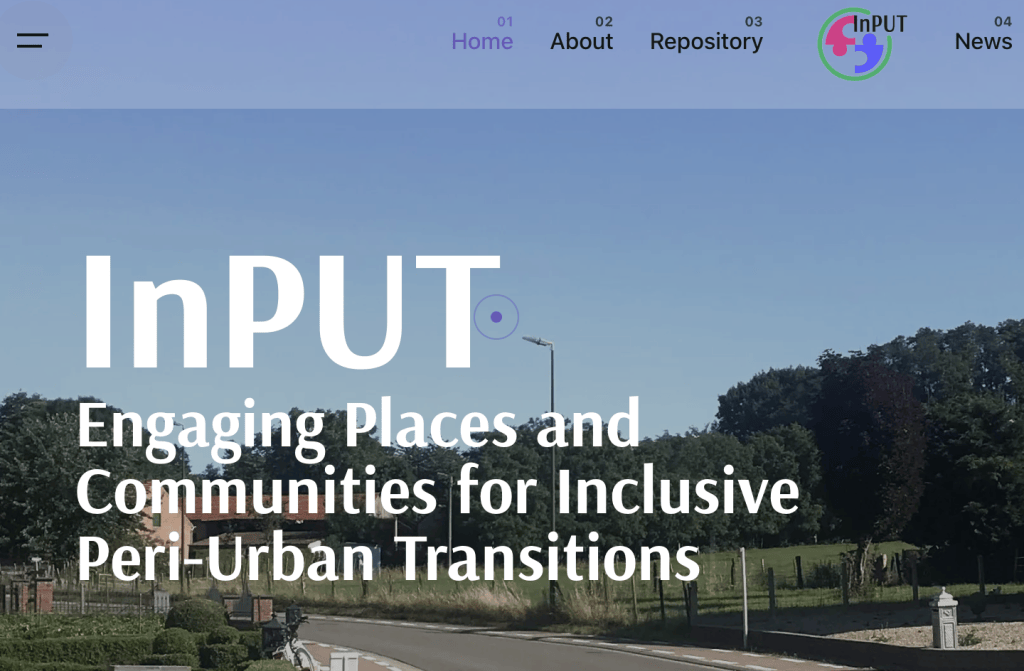
InPUT
Engaging Places and Communities for Inclusive Peri-Urban Transitions
Driving Urban Transitions partnership, 2024–2026
My role: member of the TU Delft team
Can the proximity and accessibility of the 15-minute city also work in peri-urban areas, where many people live and work? With local communities in Austria, Belgium, the Netherlands and Portugal, InPUT co-designs visions for these places. Rodrigo Viseu Cardoso leads the project from TU Delft, with partners at the universities of Antwerp, Porto and Minho and TU Wien.
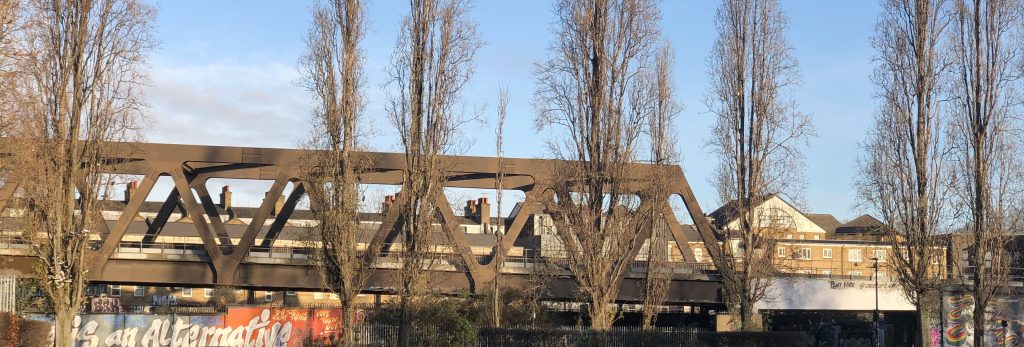
Revitalising Spoorzone Weert
A Connected, Green and Vibrant Future for Working and Living
Municipality of Weert, Zuyd Hogeschool and TU Delft, since 2025
My role: co-PI with Nurhan Abujidi (Zuyd Hogeschool)
How can the station area of Weert become a green, connected and lively place to live and work? TU Delft, Zuyd Hogeschool and the municipality of Weert explore this question through research by design. The municipality funds the PhD research of Nima Tabrizi, which we supervise together.
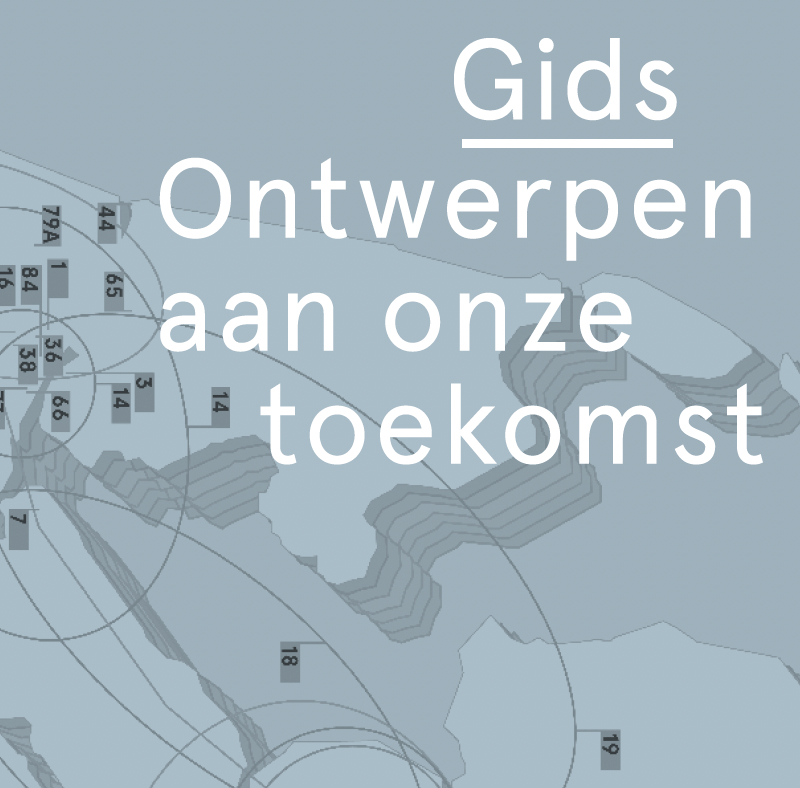
Caring living environments
Onderzoek ontwerp zorgzame leefomgevingen
Actieagenda Ruimtelijk Ontwerp, 2025
My role: collaboration with Falsework
For the national Actieagenda Ruimtelijk Ontwerp, the design office Falsework and I examined how research by design can contribute to caring living environments. I developed a compass that links spatial justice to health, everyday well-being and people’s capabilities. Designers, planners and public institutions can use it from the first research question until a project is carried out.
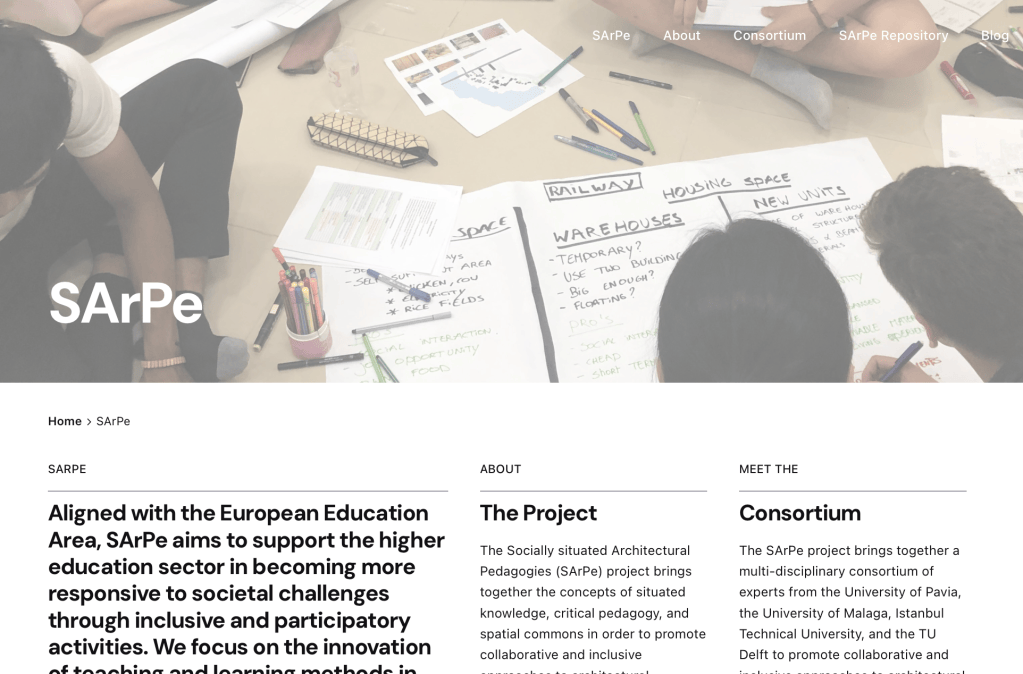
SArPe
Socially Situated Architectural Pedagogies
Erasmus+, 2022–2025
My role: partner, leading the TU Delft team
How can architectural education work with the communities around it? Coordinated by the University of Pavia, the partnership brought together Istanbul Technical University, the University of Málaga, TU Delft and the associations Spazio Gioco and ??, and opened design studios to people outside the university. The open-access book Spaces for Action gathers the tools and methods we developed.

Building Blocks for Pandemic-Proof Living Environments
TU Delft, 2020–2024
My role: co-PI with Rachel Lee, Abhijeet Chandel is the researcher in this project
How can homes and neighbourhoods stay good places to live when a pandemic keeps people close to home? In this four-year project pandemic-proof living environments are addressed through the lens of spatial justice and spatial capital.
WHO clinic refurbishment helpdesk
Supporting the WHO’s Techné network in the fight against COVID-19
Grants from the TU Delft University Fund, 2020 and 2021
My role: TU Delft Lead
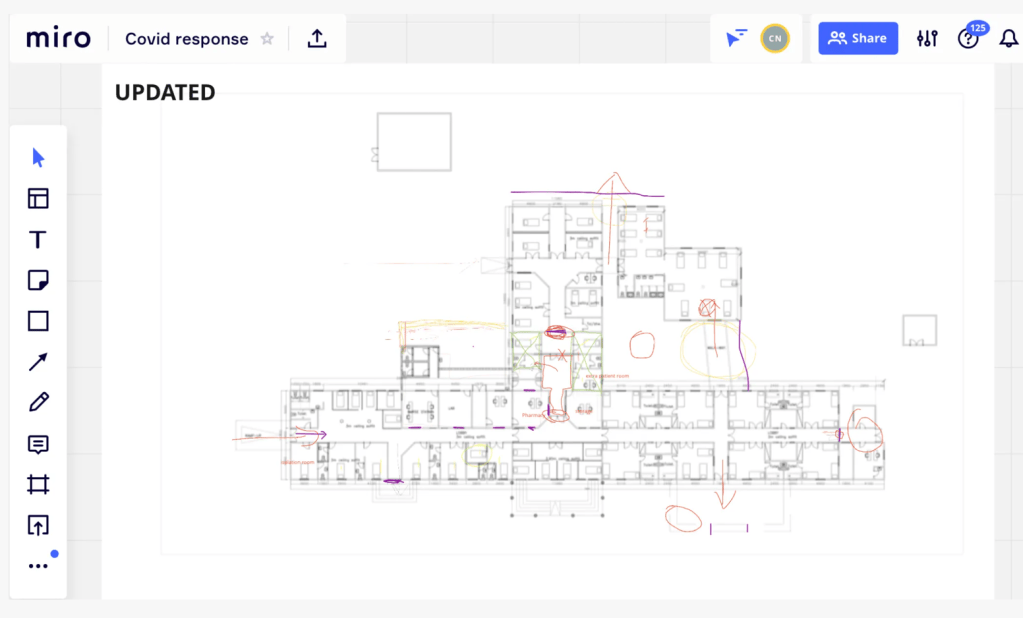
When COVID-19 struck, the WHO (WHO Techné) invited me to help turn health facilities in low-resource settings into treatment centres for severe acute respiratory infections. Working pro bono with a small team of students. we delivered a design report within a week for each site, in Asia, Africa and Central America. I later advised on the second edition of the WHO manual for these facilities.
Earlier projects
NeW-BLIV, on housing in Brussels after COVID-19 (Innoviris and KU Leuven, 2021–2024); Resilient Urban Development in Secondary Cities in Transition (KU Leuven, 2016–2019); Conversations on Space and Power in the City: Mapping, Acting, Visioning (The Bartlett Development Planning Unit, UCL, 2014–2015); and The Changing Discourse on Social Housing in Flanders (KU Leuven, 2011–2012). The EFL Foundation funded my Van Eesteren Fellowship (2019–2024) and the publication of Envisioning Spatial Justice.
The Centre for the Just City
The research is connected to the Centre for the Just City. There you can meet the PhD researchers I work with and read about our research.
PhD research
I supervise PhD researchers who work on spatial justice, rural futures, feminist planning, housing and health. You can meet them on the website of the Centre for the Just City. My Teaching page lists them all.
PhD supervision
I have held the right to act as promotor (ius promovendi) since September 2024. Would you like to do a PhD with me? First read about PhD research at the Department of Urbanism. Then send me a short note with your idea.
Completed
Haoxiang Zhang, Designing Healthy Blue Spaces (TU Delft)
Hulya Ertas, Towards a New Critique for the Architecture of the Commons (KU Leuven)
Cristian Olmos Herrera, Hydrosocial territories in the Atacama Desert (UCL)
Read more on the Centre’s PhD page.
PhDs currently working with me
Alina da Porciúncula Paias, Centering Designing Otherwise (since 2026, with Irene Luque Martin)
Olga Sowa, on how feminist design principles can shape women’s use of public space (since 2026, with Geertje Slingerland)
Selam Sahlu, on water allocation in the Blue Nile Basin under climate and population uncertainty (since 2026, with Gerald Corzo Perez and Chris Zevenbergen)
Nima Tabrizi, Revitalising Spoorzone Weert (since 2025, with Irene Luque Martin and Nurhan Abujidi)
Marh Echtai, The Right to the Rural (since 2025, with Rodrigo Cardoso)
Seyong Kim, on vacant houses in the housing dynamics of port cities (since 2024, with Rachel Lee and Carola Hein)
Aditi Natarajan, Collective Action for Just Transition in Cities (since 2024, with Juliana Gonçalves and Roberto Rocco)
Adam Paul Susaneck, Segregation by Design (since 2023, with Roberto Rocco)
Md Mustiafiz Al Mamun, on the peri-urban landscape and water-based design (since 2022, with Steffen Nijhuis)
Abhijeet Chandel, Pandemic Proofing Cities (since 2022, with Rachel Lee and Dick van Gameren)

